
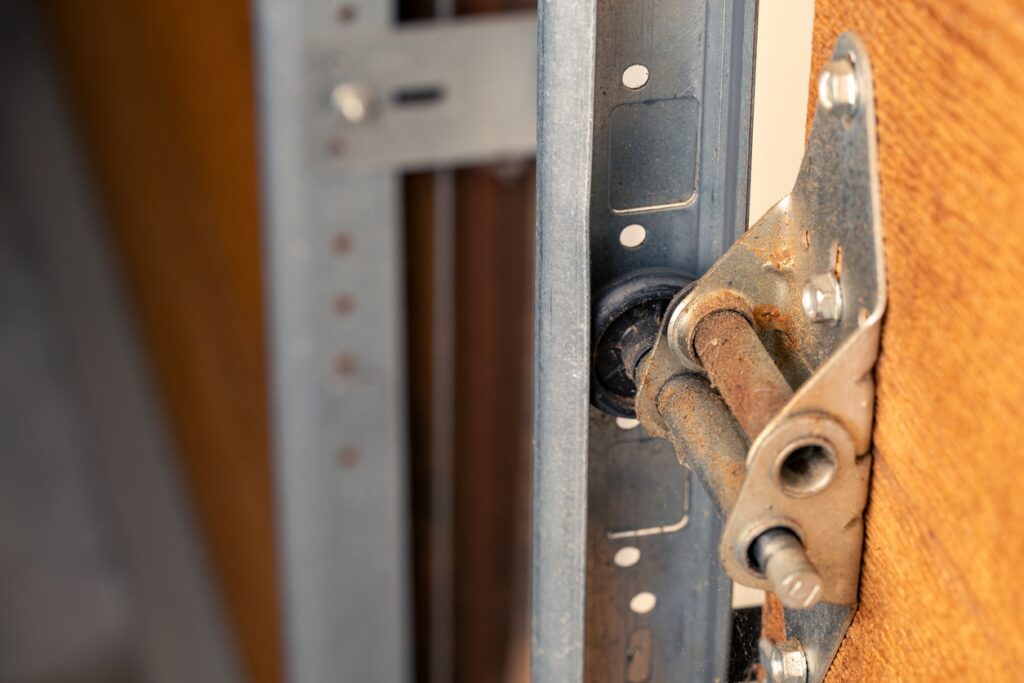
If your garage door sounds loud, shakes while moving, or feels rough when it opens and closes, the rollers may be part of the problem. Garage door rollers help guide the door along the tracks, so when they wear down, the entire system can feel noisy, uneven, or harder to operate.
This guide explains how to replace garage door rollers, what signs to look for, when to lubricate the rollers, and when it is safer to call a professional.
What Do Garage Door Rollers Do?
Garage door rollers are the small wheels attached to the sides of your garage door. They sit inside the vertical and horizontal tracks and help the door move smoothly as it opens and closes.
When the rollers are in good shape, the door should move with less noise, less shaking, and less strain on the opener. When the rollers are worn, damaged, or poorly lubricated, the door may rattle, jerk, grind, or struggle to move.
Bad rollers can also place added stress on other parts of the garage door system, including hinges, tracks, opener components, cables, and springs. That is why replacing worn rollers can make a noticeable difference in how your garage door sounds and feels.
Signs Your Garage Door Rollers Need to Be Replaced
Homeowners usually start researching how to change garage door rollers after the door starts making noise or moving differently than normal. Some of the most common signs of worn garage door rollers include:
- Loud squeaking, grinding, rattling, or scraping sounds
- Jerky or uneven door movement
- Rollers that wobble inside the track
- Visible cracks, chips, or flat spots on the roller wheels
- Rusted, bent, or loose roller stems
- A garage door that shakes while opening or closing
- A door that catches in the same spot
- An opener that sounds strained during operation
It is also worth noting that roller problems can look similar to other garage door issues. A noisy or shaky door could also be caused by loose hinges, bent tracks, broken springs, damaged cables, worn bearings, poor balance, or opener strain. If you are not sure what is causing the problem, it is best to have the full system inspected.
Why You Should Call a Professional to Replace Garage Door Rollers
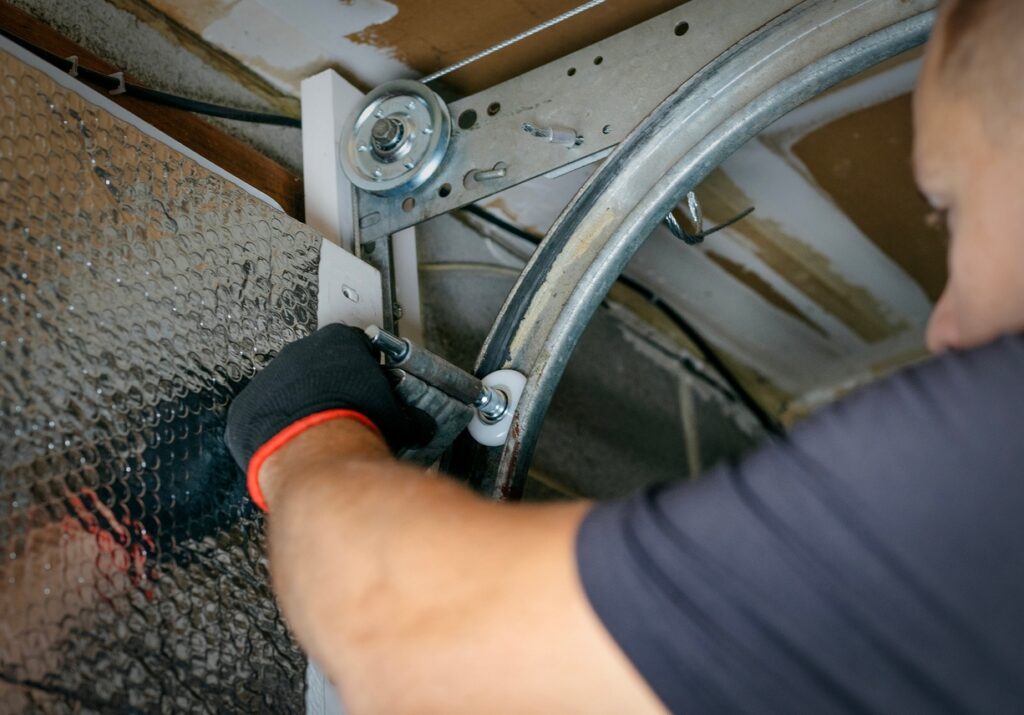
Replacing garage door rollers may seem simple, but the job can become risky quickly if the wrong part is loosened or the door is not properly secured. Garage doors are heavy, and parts of the system work under tension. If a roller, hinge, cable, spring, or bottom bracket is handled incorrectly, the door can shift, fall, or cause serious injury.
The team of technicians at Mountain View Doors are trained and know how to replace garage door rollers safely while also checking the rest of the system. Also, our team offers nylon precision bearing rollers, which can help reduce noise, improve smoothness, and create better daily performance for many residential garage doors.
Our team is committed to offering innovative garage door installation services in Parker, CO and the surrounding areas. During service, our expert technicians can inspect the door, replace worn rollers, check alignment, test the balance, and make sure the door opens and closes safely. Give our professionals a call at (720) 851-8094 to receive assistance with replacing your old garage door rollers.
Types of Garage Door Rollers
Before replacing rollers, it helps to know what type of rollers your door currently has and what type you want to install.
Nylon Precision Bearing Rollers
Mountain View Doors offers nylon precision bearing rollers because they are a strong upgrade for many residential garage doors. Nylon rollers are typically quieter than metal rollers, and the precision bearings help the door move more smoothly through the track.
For many homeowners, nylon precision bearing rollers are a smart choice because they can:
- Reduce garage door noise
- Create smoother door movement
- Cut down on vibration
- Improve daily operation
- Help older doors feel less rough
- Work well for attached garages
- Provide a more premium feel than basic plastic or metal rollers
If your current garage door is loud but still in good overall condition, upgrading to nylon precision bearing rollers may be one of the simplest ways to improve how it operates.
Plastic Garage Door Rollers
Plastic rollers are common on some builder-grade garage doors. They are usually inexpensive, but they tend to wear out faster and may not provide the smoothest or quietest operation over time.
Metal Garage Door Rollers
Metal rollers can be durable, but they are often louder than nylon rollers because they create more vibration inside the metal track. Even metal precision bearing rollers can create a harsher rolling sound, especially on attached garages where noise travels into the home.
Tools Needed to Replace Garage Door Rollers
Before learning how to replace garage door rollers, gather the right tools and make sure you understand the safety risks.
Common tools and materials include:
- Replacement garage door rollers
- Socket wrench or wrench set
- Locking pliers or clamps
- Screwdriver
- Step ladder
- Safety glasses
- Work gloves
- Garage door lubricant
- Clean rag
You should also confirm the correct roller size, stem length, and roller type before buying replacement rollers. Using the wrong roller can cause poor movement, added noise, or track issues.
Safety Warning Before You Start
Garage doors are heavy, and several parts of the system are under tension. Before you attempt any roller replacement, keep these safety points in mind:
- Disconnect the opener before working on the door.
- Secure the garage door so it cannot move unexpectedly.
- Replace only one roller at a time.
- Do not remove multiple hinges at once.
- Do not loosen springs, cables, drums, or bottom brackets.
- Do not work under an unsecured garage door.
- Stop if the door feels heavy, unstable, crooked, or off balance.
The bottom rollers require extra caution because they are located near the bottom bracket and cable system. Those parts are tied to spring tension. Do not loosen or remove the bottom bracket to replace a bottom roller. That repair is best left to a professional.
How to Replace Garage Door Rollers Step by Step
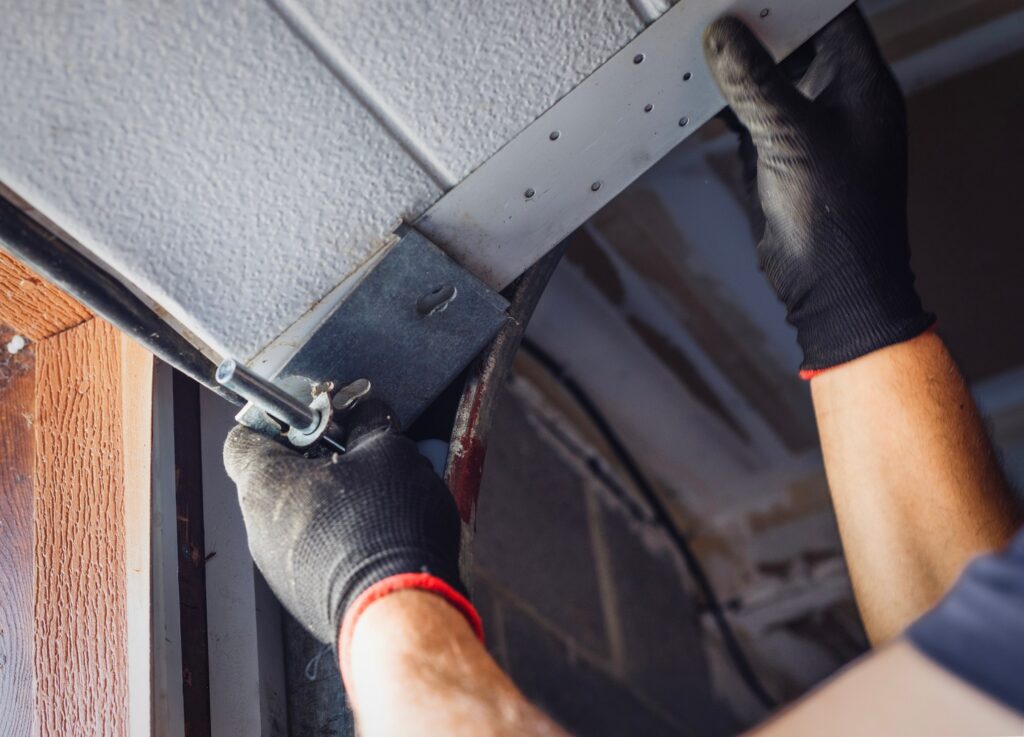
The following steps are a general overview for top and middle rollers. Every garage door system is different, so always use caution and follow the door manufacturer’s instructions. If you feel unsure at any point, call our team of garage door technicians.
Step 1: Disconnect the Garage Door Opener
Start by disconnecting power to the opener. If needed, use the emergency release only when the garage door is fully closed and stable. This helps prevent the opener from activating while you are working.
Step 2: Secure the Garage Door
Use clamps or locking pliers to help keep the door from moving. The door should be stable before you remove any hinge or roller hardware.
Never work on a door that feels loose, crooked, or unstable. If the door does not stay in place or feels unusually heavy, stop and call a professional.
Step 3: Start With the Top or Middle Rollers
Top and middle rollers are usually safer to discuss from a homeowner standpoint because they are not connected to the bottom cable bracket. Bottom rollers are different and should not be treated the same way.
If you are trying to understand how to change garage door rollers, focus on learning the difference between the roller locations before removing anything.
Step 4: Remove One Hinge at a Time
Choose one roller and loosen the hinge bolts that hold it in place. Remove only the hardware needed for that one roller. Do not remove several hinges at once because the door sections need to stay supported.
Slide the old roller out of the hinge. If the roller is cracked, rusted, or wobbling, that is a sign it was ready to be replaced.
Step 5: Install the New Roller
Slide the new roller stem into the hinge and guide the roller wheel into the track. Make sure it sits correctly before tightening the hinge back into place.
This is a good time to upgrade to nylon precision bearing rollers if you want quieter, smoother operation.
Step 6: Tighten the Hardware
Reattach the hinge bolts and tighten them securely. The hardware should be snug, but do not overtighten it to the point that it damages the hinge or door section.
Step 7: Repeat the Process Carefully
Move one roller at a time. Replace the next top or middle roller using the same careful process. Keep the door secure, and avoid rushing.
Step 8: Test the Door Manually
Before reconnecting the opener, move the door manually to make sure it travels smoothly. Listen for scraping, grinding, or catching. Watch the rollers as they move through the track.
If the door binds, shakes, or feels unusually heavy, do not force it. That may point to a track, spring, cable, balance, or hardware problem that needs professional service.
Why Bottom Garage Door Rollers Are Different
Bottom garage door rollers are located near the bottom bracket. The bottom bracket is where the lift cable connects to the door. Since the cables are tied to the spring system, this area can be dangerous if handled incorrectly.
Do not loosen or remove the bottom bracket to replace a bottom roller. Do not remove the cable. Do not attempt to adjust spring-related hardware. These parts can release tension suddenly and cause serious injury.
This is one of the most important safety points. If your bottom rollers need to be replaced, call our team of trained garage door technicians.
Should You Add Grease to the Garage Door Rollers?
Many homeowners ask whether they should add grease to the garage door rollers when the door starts making noise. Lubrication can help in some cases, but it needs to be done the right way.
You should not pack the track with thick grease. Heavy grease can collect dirt, dust, and debris, which may make the door move worse over time. The track should stay clean so the rollers can travel smoothly.
Instead, use a garage door lubricant designed for moving parts. Focus on the bearing area, hinges, and metal moving points as appropriate. If you have nylon rollers, avoid coating the nylon wheel itself with heavy grease. Wipe away extra lubricant so it does not create buildup.
Common Mistakes to Avoid When Changing Garage Door Rollers
Learning how to change garage door rollers can be helpful, but the process can go wrong if the door is not handled carefully. Common mistakes include:
- Removing more than one hinge at a time
- Trying to replace bottom rollers without understanding cable tension
- Buying the wrong roller size
- Using cheap plastic rollers on a heavier door
- Over-greasing the rollers or track
- Ignoring bent tracks
- Ignoring loose hinges or damaged brackets
- Reconnecting the opener before testing the door manually
- Forcing the door if it binds or catches
If something does not feel right, stop. A garage door should not have to be forced open or closed.
Professional Garage Door Roller Installation Services
If your garage door is loud, shaky, or not moving smoothly, Mountain View Doors can inspect the rollers, tracks, hinges, opener, springs, cables, and overall door balance. We also offer nylon precision bearing rollers for quieter, smoother performance. If you need support with removing and replacing old garage door rollers, give our staff a call at (720) 851-8094. Our team has the tools and skills necessary to restore the operation of your garage doors.


