
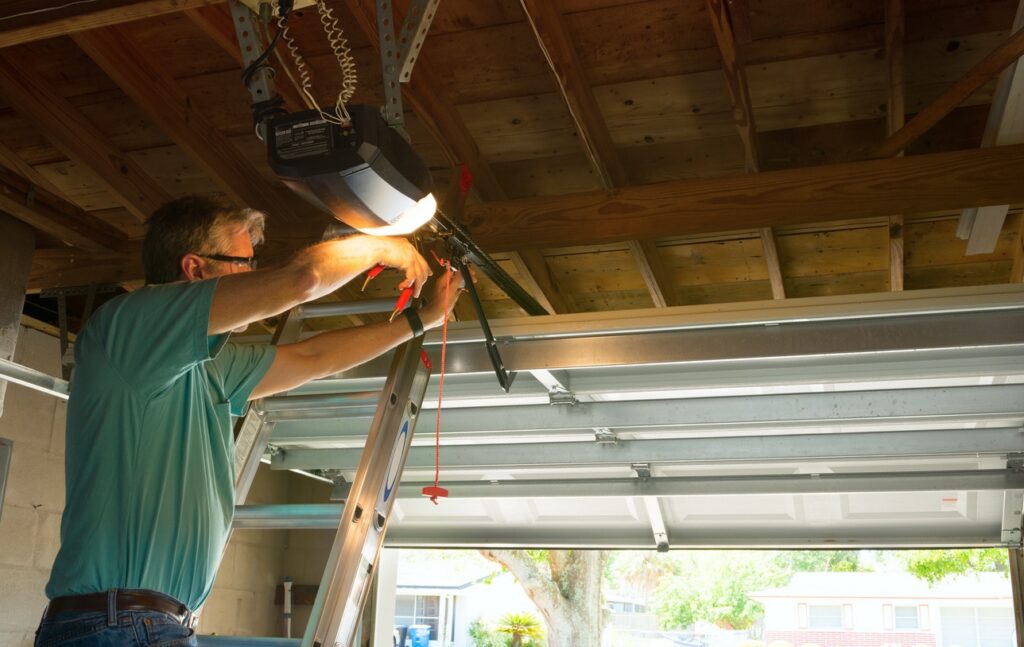
A garage door opener makes daily life easier, but there may be times when you need to operate the door by hand. A power outage, dead opener, broken remote, storm, or opener malfunction can leave your vehicle stuck inside the garage or make it difficult to secure your home.
The good news is that most garage doors with automatic openers include an emergency release system. The important part is knowing how to use it safely. This guide explains how to manually open or close a garage door, how to reconnect the opener, and when to stop and call a professional.
Before you start, remember that garage doors are heavy. If the door feels too heavy, crooked, stuck, unstable, or unsafe, do not force it. A properly working garage door should move smoothly by hand. If it does not, there may be a spring, cable, track, opener, or balance issue that needs professional service.
When Would You Need to Manually Open or Close a Garage Door?
Most homeowners need to manually operate a garage door when the automatic opener is not working. Common situations include:
- Power outage
- Garage door opener failure
- Dead remote or keypad battery
- Broken opener gear or motor issue
- Storm-related power interruption
- Emergency access to a vehicle
- Door stuck after the opener disconnects
- Need to close the garage door after the opener stops working
Manual operation is helpful in certain situations, but it should not be used to force a damaged garage door open or closed. If the door does not move easily, the safest choice is to schedule professional garage door repair services.
Important Safety Warning Before You Start
Before learning how to manually open a garage door, make sure the door is fully closed, stable, and safe to operate. If possible, the emergency release should be used when the garage door is fully closed. Pulling the release cord while the door is open or partially open can be dangerous if the door is not balanced.
Garage doors rely on springs to help support the weight of the door. If a spring is broken or weak, the door may feel extremely heavy and could fall quickly. Damaged cables, bent tracks, loose hardware, or off-track rollers can also make manual operation unsafe.
Keep these safety tips in mind:
- Do not stand under an unstable garage door.
- Do not pull the emergency release while the door is moving.
- Do not force a door that feels stuck.
- Do not try to adjust springs or cables yourself.
- Do not let the garage door slam shut.
- Keep children, pets, and vehicles away from the opening.
- Use both hands when lifting or lowering the door.
- Stop if the door feels unusually heavy or uneven.
For additional safety guidance, you can review the DASMA garage door safety guidelines.
How to Manually Open a Garage Door From Inside
If you are inside the garage, manually opening the door is usually straightforward as long as the door is safe and balanced.
Step 1: Make Sure the Door Is Fully Closed
Start with the garage door in the closed position. This is the safest position because the door is resting on the ground. If the door is stuck open or halfway open, do not pull the emergency release unless you are certain the door is stable. A door with a broken spring or balance issue could drop suddenly.
Step 2: Disconnect Power to the Opener
Unplug the garage door opener or turn off power to the opener before working with the emergency release. This helps prevent the opener from activating while you are manually operating the door.
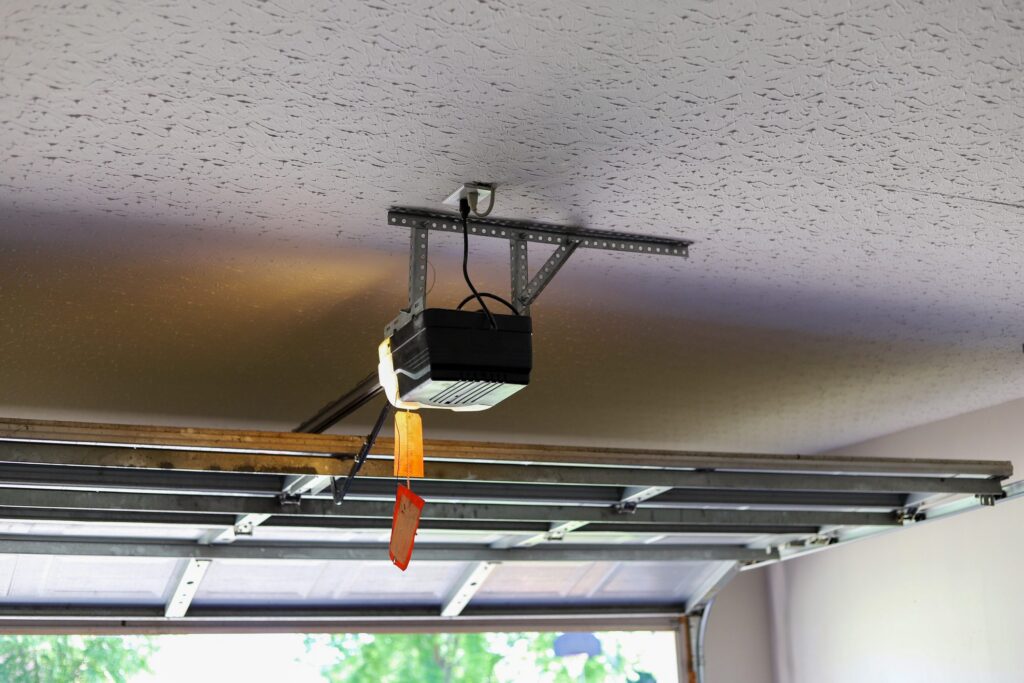
Step 3: Find the Emergency Release Cord
Most garage door openers have a red emergency release cord hanging from the opener trolley or carriage. This is usually located along the opener rail near the top center of the garage.
The emergency release cord disconnects the door from the automatic opener, allowing the door to move by hand.
Step 4: Pull the Emergency Release Cord
Pull the red cord down and slightly back, depending on your opener model. This should disengage the trolley from the opener carriage.
Do not use the emergency release handle to pull the garage door open or closed. The cord is designed to disconnect the opener, not to lift the full weight of the door.
Read More: Tips for Replacing Your Garage Door Rollers Safely
Step 5: Lift the Door Slowly With Both Hands
Stand inside the garage and lift the door from the bottom using both hands. Keep your feet clear of the door and lift evenly.
A properly balanced garage door should lift smoothly. It may feel heavy, but it should not feel impossible to move. If the door only opens a few inches, feels extremely heavy, shifts to one side, or will not stay open, stop immediately.
Step 6: Raise the Door Fully Before Walking Under It
If the door opens smoothly, raise it all the way before walking or driving underneath it. Make sure the door stays open on its own. If it starts sliding down, the door may have a spring or balance problem.
Never walk under a garage door that feels unstable or will not stay open.
How to Manually Open a Garage Door From Outside
Opening a garage door manually from outside is different. If your garage has a side entry door, you can go inside and use the emergency release cord. If there is no other entry point, you usually need an exterior emergency release kit.
An exterior emergency release kit is installed through the garage door and uses a key to access the release cable. This lets you disconnect the opener from outside during a power outage or emergency.
This can be helpful for:
- Detached garages
- Garages without a side entry door
- Homes where vehicles are parked inside daily
- Areas with frequent power outages
- Rental properties or second homes
Without an exterior emergency release kit or another access point, you may not be able to manually open the garage door from outside during a power outage. If you are locked out and cannot safely access the release system, call a professional.
How to Close a Garage Door Manually
Knowing how to close a garage door manually is just as important as knowing how to open it. Once the opener is disconnected, you are responsible for controlling the full movement of the door.
Step 1: Clear the Garage Door Opening
Before lowering the door, make sure people, pets, vehicles, bikes, tools, trash cans, and stored items are away from the opening.
Stand inside the garage where you can see the full door.
Step 2: Hold the Door Firmly With Both Hands
Grip the bottom of the door with both hands. Keep your fingers away from the hinges, tracks, rollers, and spaces between door sections.
Do not pull on the emergency release cord to lower the door. The door should be lowered by hand from the bottom section.
Step 3: Lower the Door Slowly and Evenly
Carefully guide the door down. A balanced door should move smoothly. If it drops quickly, slams, jerks, or pulls away from your control, there may be a broken spring or serious balance issue.
Do not try to catch a falling garage door. Move away and call a professional.
Step 4: Make Sure the Door Is Fully Closed
Lower the door until it reaches the floor completely. A partially closed garage door can create a safety issue, security concern, and weather sealing problem.
Check that the bottom garage door seal is making contact with the floor and that the door is sitting evenly.
Step 5: Secure the Door
When the opener is disconnected, the automatic opener may no longer hold the door closed. If the opener is not reconnected right away, you may need to use a manual slide lock or another safe security method.
Do not leave the garage unsecured overnight if the opener is disengaged.
Read More: Top 6 Benefits of Investing in Garage Door Insulation
How to Reconnect the Garage Door Opener
After power returns or the opener issue is fixed, you will usually need to reconnect the opener to the garage door.
Step 1: Make Sure the Door Is Fully Closed
Start with the garage door closed. This is usually the safest position for reconnecting the opener.
Step 2: Reset the Emergency Release
Pull the emergency release cord toward the opener or follow the instructions for your specific opener model. The exact direction may vary depending on the opener.
Step 3: Reconnect Power to the Opener
Plug the opener back in or restore power.
Step 4: Run the Opener
Press the wall button or remote. The opener trolley should move and reconnect to the carriage. You may hear a click when it reconnects.
Step 5: Test the Door
Open and close the door carefully using the opener. Watch for jerking, uneven movement, loud grinding, or failure to reconnect.
If the opener does not reconnect, the issue may be with the trolley, opener carriage, emergency release position, door balance, or opener itself. Mountain View Doors can help with garage door opener repair if the system does not reconnect or operate correctly.
What Not to Do When Manually Operating a Garage Door
Manual garage door operation can be safe when the door is balanced and working correctly. It becomes risky when the door is damaged, heavy, or unstable.
Avoid these mistakes:
- Do not pull the emergency release while the door is moving.
- Do not pull the release cord when the door is open unless absolutely necessary.
- Do not stand under the door while operating it.
- Do not force a door that will not move.
- Do not try to repair springs or cables yourself.
- Do not let the door slam shut.
- Do not leave the door unsecured after disconnecting the opener.
- Do not keep using the door if it moves unevenly.
- Do not assume the opener is the only problem.
If the door is difficult to operate manually, the opener may not be the issue. The problem could be with the springs, cables, rollers, tracks, hinges, or overall door balance.
Need Help With a Garage Door That Will Not Open or Close?
Now that you know how to manually open a garage door and how to close a garage door manually, the next step is knowing when the door is safe to operate and when it needs professional help. If your garage door will not open, will not close, feels too heavy, or will not reconnect to the opener, Mountain View Doors can inspect the full system and recommend the right repair.
Contact Mountain View Doors today for professional garage door repair services in Parker, Highlands Ranch, Denver, and the surrounding areas. Give our professionals a call at (720) 851-8094 to receive assistance.


