
If you’re seeking an experience that combines breathtaking scenery with a dash of adventure, the Garden of the Gods in Colorado Springs is your destination. Here, you’ll find yourself amidst towering red rock formations that have stood the test of time, dating back millions of years. Whether you’re into rock climbing, hiking, or simply soaking in natural beauty, this park offers a diverse range of activities. But beyond its visual appeal and recreational opportunities, there’s a deeper story of geological transformations and human history waiting to be uncovered. What might you discover about the ancient natural forces and historical events that have shaped this iconic landscape?
More about Elbert here
Exploring the Red Rock Formations
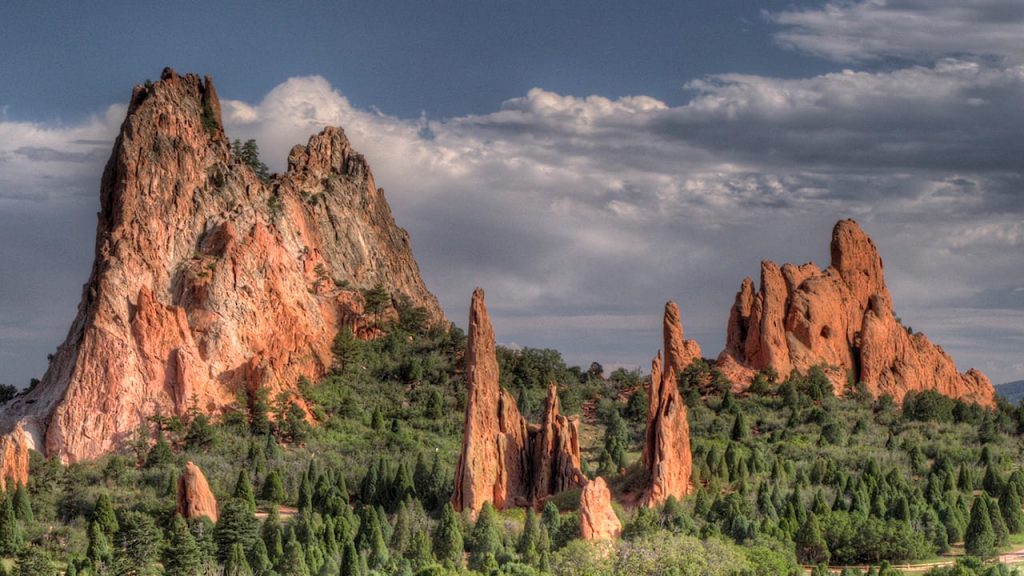
As you explore the red rock formations at Garden of the Gods, you’ll observe that their striking hues are due to the presence of iron oxide, which scientifically reflects red light wavelengths more efficiently than others. This mineral component not only colors the landscape but also indicates a rich geological history that dates back millions of years. Analyzing the sedimentary layers, you’ll find that these rock formations were deposited during the Paleozoic era, specifically during the Permian period. This era was characterized by dramatic shifts in the Earth’s climate and tectonic activities, which have sculpted the present-day topography.
Further scientific analysis reveals that the angular conformity of these formations suggests past tectonic events that led to the uplift and erosion of earlier sedimentary deposits. This geological activity has exposed the iron-rich layers more prominently, enhancing the red coloration visible today. You’re witnessing a dynamic landscape shaped by natural forces over vast temporal scales.
Understanding this complex interaction between geology and natural processes gives you a more nuanced appreciation of the freedom these formations represent: constantly evolving, yet resiliently standing the test of time. This perspective not only deepens your appreciation but also invites a broader consideration of the natural world’s enduring independence.
Activities for Outdoor Enthusiasts
While exploring the geological wonders of Garden of the Gods, you can also engage in various activities tailored for outdoor enthusiasts. This unique park offers over 15 miles of intertwined trails, each classified by difficulty, elevation gain, and scenic value, allowing you to tailor your hiking experience to your specific fitness level or time constraints. The Perkins Central Garden Trail, for instance, is a 1.5-mile loop that offers minimal elevation gain, making it accessible and manageable for most visitors.
Rock climbing here is highly regulated to preserve the natural formations, requiring permits and adherence to designated climbing routes. Climbers must adhere to the ‘Leave No Trace’ principles, ensuring minimal environmental impact. This regulation maintains the ecological balance and ensures the longevity of rock formations for future climbers.
Mountain biking and horseback riding are also permitted on specific trails, each marked clearly on the park’s downloadable maps available online. Biking trails like the Palmer Trail offer a challenging 3-mile ride with an elevation change of over 250 feet, demanding both technical skills and physical endurance.
These activities not only provide physical challenges but also offer you the freedom to explore this natural landscape at your own pace, ensuring a fulfilling outdoor adventure that respects the park’s pristine condition.
Historical Significance and Preservation
The Garden of the Gods possesses profound historical significance, evidenced by its designation as a National Natural Landmark in 1971, focusing on the need for rigorous preservation efforts to maintain its cultural and natural integrity. You’ll find that the park’s geological formations, some over 300 million years old, aren’t just visually stunning but are pivotal in understanding sedimentary geology. The preservation protocols in place aim to mitigate human impact, crucial in maintaining the site’s pristine condition which attracts researchers and geology enthusiasts globally.
Preservation efforts are supported by both data-driven strategies and community engagement. Analysis of foot traffic and environmental impact guides the development of pathways and restricted zones, ensuring minimal disruption to the landscape. You’re seeing a model of conservation where enjoyment and education coexist with sustainability.
Furthermore, ongoing archaeological findings within the park require a delicate balance between public access and site protection. Each artifact unearthed, from prehistoric stone tools to 19th-century homesteading remnants, underscores the area’s rich human history and necessitates meticulous strategies to prevent looting and degradation.
Your awareness and adherence to park guidelines contribute significantly to these efforts. By respecting marked paths and no-access zones, you’re directly supporting the preservation of this irreplaceable natural archive.
Best Time to Visit and Tips
Determining the optimal time to visit Garden of the Gods involves analyzing climatic patterns and visitor statistics to ensure you experience both comfortable weather and minimal crowds. Historical data indicates that May through October offers the most favorable climatic conditions, with average temperatures ranging from 60°F to 80°F. However, peak visitor months, notably June through August, record significantly higher footfall, which can detract from the serene experience you’re likely seeking.
To strategically plan your visit, consider late September through early October. During this period, the weather remains mild, and visitor numbers dwindle, following the conclusion of the summer vacation season. This timing not only enhances your freedom to explore without congestion but also coincides with the onset of autumnal colors, adding a spectacular visual dimension to the sandstone formations.
For an even more secluded visit, weekday mornings typically see the lowest number of visitors. Utilizing real-time visitor data available on the park’s website can further refine your planning, ensuring you arrive during less congested periods. Remember, the park is open from 5 AM to 10 PM, giving you flexibility to choose times outside peak hours for your exploration. Thus, you maintain autonomy over your visit, optimizing both your experience and interaction with nature.