
Did you know that the Cheyenne Mountain Zoo is one of the few zoos located at such a high altitude? Nestled at over 6,000 feet, this unique feature contributes to distinct habitats and animal behavior that you won’t observe elsewhere. As you plan your visit, consider how the elevation might influence the animals you’re about to see and the overall environment. What adaptations do animals need to thrive at these heights? And how might this elevated location enhance your experience as a visitor? There’s much to uncover about the interplay between altitude and animal welfare.
Exploring Unique Animal Exhibits
At Cheyenne Mountain Zoo, you’ll discover a diverse range of unique animal exhibits, each meticulously designed to mimic the natural habitats of its inhabitants. You’re stepping into carefully crafted ecosystems where every element, from flora to microclimate, is tailored to support the species thriving within. This attention to detail ensures that the animals not only survive but flourish, exhibiting natural behaviors that are both educational and fascinating to observe.
The zoo’s design utilizes advanced ecological knowledge to create environments that replicate the varying biomes found across the globe. From the arid savannahs housing majestic African lions and nimble gazelles to the lush rainforests that are home to vibrant tropical birds and elusive tree frogs, each zone is an echo of the wild. You’re not just walking through a zoo; you’re immersed in a world of conservation where every habitat is a testament to the zoo’s commitment to animal welfare and environmental education.
Moreover, the geographical and biological accuracy of these exhibits plays a crucial role in the breeding programs essential for species preservation. By maintaining genetically diverse populations, the zoo not only protects these animals from extinction but also provides valuable data for ongoing research in wildlife conservation.
Engaging Visitor Experiences
Beyond exploring diverse habitats, you can engage in interactive experiences that deepen your understanding of wildlife conservation. At Cheyenne Mountain Zoo, you’ll find that each exhibit isn’t just a display, but a chance to participate actively in the lives of the animals.
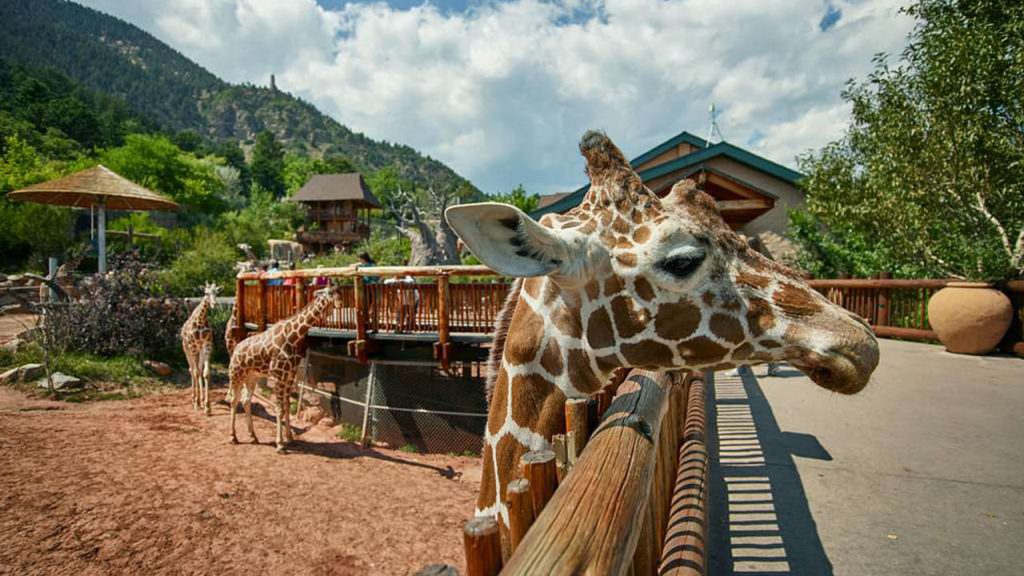
Take, for instance, the giraffe feeding station. Here, you’re not just an observer; you’re directly involved in the nutritional care of the world’s tallest land animals. This hands-on interaction isn’t merely about the thrill of closeness; it’s carefully designed to demonstrate the complexities of dietary needs and the importance of specialized care in zoological environments.
Further enhancing your visit, the ‘Encounter Africa’ exhibit offers an immersive experience into the behaviors and ecosystems of African wildlife. You aren’t just walking through; you’re part of simulated field research activities. This includes data collection and analysis that mirrors real conservation efforts. Through these activities, you gain a deeper appreciation of the scientific methods used to monitor and manage animal populations.
These experiences at Cheyenne Mountain Zoo are crafted to give you freedom—the freedom to explore, to learn, and to connect with wildlife in a way that respects both the animals and their habitats.
Conservation and Education Efforts
Cheyenne Mountain Zoo’s conservation initiatives extend beyond mere animal care to include comprehensive educational programs that empower you to participate in global wildlife preservation efforts. They integrate advanced scientific methodologies and research to inform their programs, ensuring you receive current and impactful knowledge. Their approach involves species recovery projects, habitat restoration efforts, and global partnerships aimed at biodiversity conservation.
You’re invited to engage directly with field research and citizen science projects, which provide essential data to global conservation databases. These activities not only enhance your understanding of ecological dynamics but also place you at the forefront of efforts combating species decline. Participation in these projects offers a tangible way to contribute to conservation while gaining a deeper appreciation for the complexity of ecosystems.
The educational outreach at Cheyenne Mountain Zoo is designed to catalyze community involvement. By offering workshops and seminars on sustainable practices and wildlife protection, they equip you with the tools necessary for making informed decisions about environmental stewardship. This empowerment facilitates a more active role in conservation, aligning with your freedom to influence positive change in environmental health and species survival directly.
Planning Your Visit
Having explored the extensive conservation and education efforts at Cheyenne Mountain Zoo, it’s time to plan your visit to experience these initiatives firsthand. You’ll want to ensure you maximize your engagement with the zoo’s unique offerings. Start by reviewing the zoo’s operational hours, which are seasonally adjusted, to optimize your time. Next, consider the logistics of your arrival. The zoo’s location at 4250 Cheyenne Mountain Zoo Rd offers ample parking, yet arriving early can ease your entry and provide a more tranquil start to your exploration.
To deepen your understanding, schedule your visit around the daily educational talks and feeding sessions. These aren’t only informative but structured to enhance your knowledge about species conservation efforts. Each session is led by experts who are keen to disseminate insights that are critical yet accessible.